

On 20 March 2026, the Swiss Federal Council opened the consultation procedure on amendments to key ordinances governing the integration and employment of foreign nationals. The proposed changes aim to further promote labour market participation among persons from the asylum and migration domain, with a particular focus on individuals benefiting from temporary protection (Status S).
Link: https://www.news.admin.ch/de/newnsb/70UXJClx9sVH
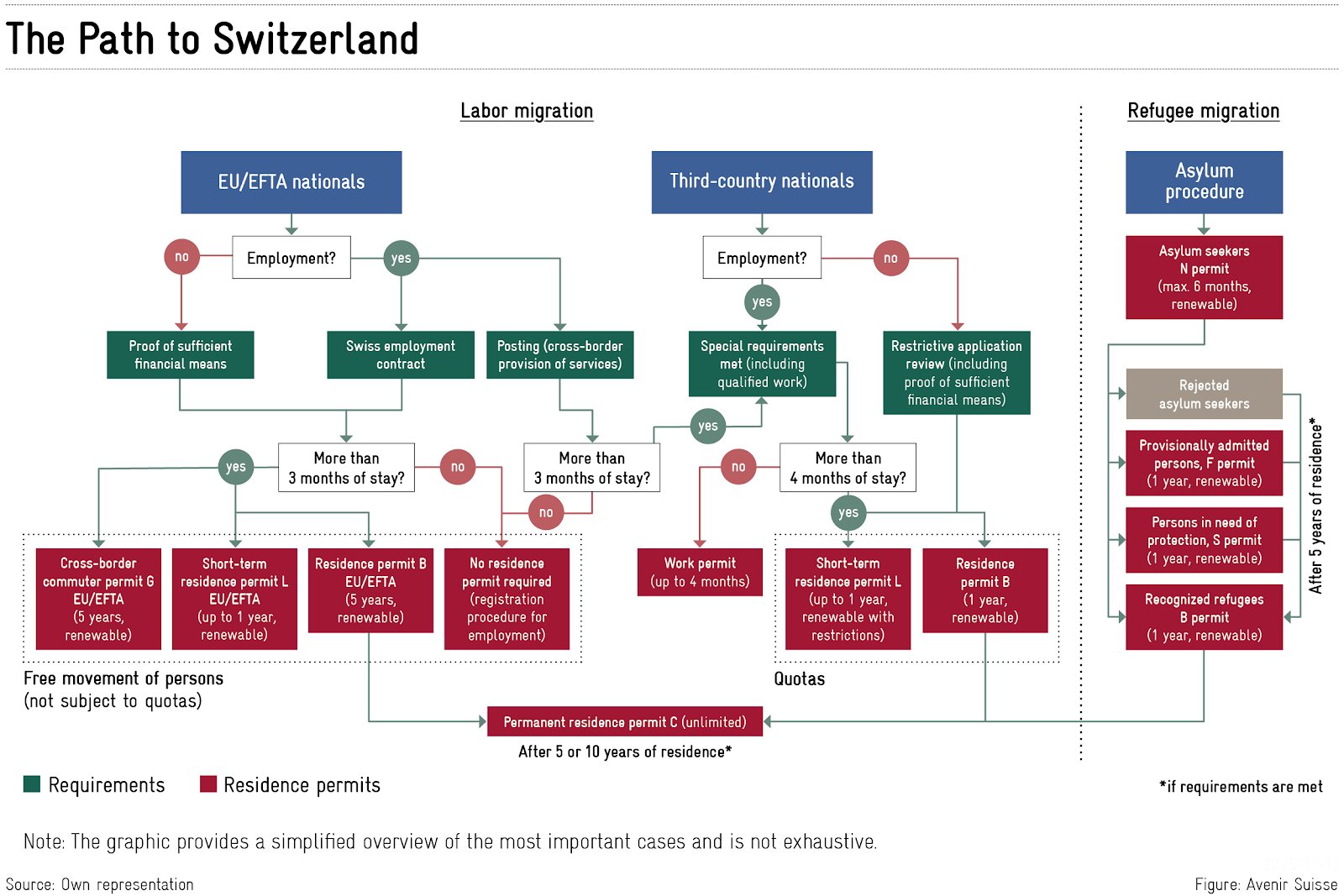
At the core of the proposal is the formalisation of an integration mandate for persons with protection status S at the ordinance level, thereby aligning their integration pathway with existing national frameworks. As outlined in the explanatory report , this measure seeks to eliminate structural gaps in the current system, where integration support has so far been implemented primarily through programme-based instruments rather than explicit legal provisions.
Closing Legal and Operational Gaps
A key element of the reform is the extension of access to employment for persons with pending applications for temporary protection. Under the proposed amendments, such individuals will be granted access to the labour market under conditions analogous to asylum seekers, thereby addressing an identified legal gap in the current framework.
The reform also expands the scope of integration measures available to cantons. In particular, federal contributions may be used not only for language and basic education programmes, but also for broader measures aimed at improving employability – including skills assessment, vocational preparation, and labour market integration initiatives. This reflects a policy shift toward earlier and more comprehensive integration, based on the principle that initial months are critical for long-term labour market outcomes .
Institutionalisation of Integration Instruments
The Federal Council further proposes to transform the Integrationsvorlehre (INVOL) – previously implemented as a pilot programme – into a permanent federal instrument. The programme, designed to prepare migrants and refugees for vocational education and training, has demonstrated high effectiveness, with a majority of participants transitioning into formal apprenticeships.
In parallel, the proposal clarifies the use and allocation of federal integration funding, including rules applicable in the event of termination of protection status S. It also introduces a more precise definition of “labour market readiness” as a condition for access to public employment services.
Strategic Context
The proposed amendments must be understood against the broader backdrop of Switzerland’s response to the activation of protection status S in 2022, primarily for persons displaced from Ukraine. As of the end of 2025, employment rates among this group have increased but remain below targeted levels, prompting further regulatory action.
The reform reflects a dual policy objective: accelerating integration into the Swiss labour market while maintaining flexibility for potential return. This approach, often referred to as “dual intent”, is increasingly recognised in European migration governance as a pragmatic response to uncertain duration of protection regimes .
Lighthouse Insight
From a legal and policy perspective, the proposal signals a transition from programme-based integration to a more structured regulatory framework. By embedding integration obligations and labour market access rules at the ordinance level, Switzerland is strengthening legal certainty for both beneficiaries and implementing authorities.
At the same time, the reform highlights a broader European trend: integration policy is no longer treated as a secondary social measure, but as a core component of labour market strategy and economic resilience.