


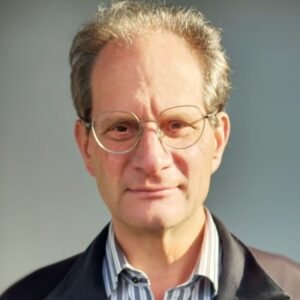
Interviewee: Andreas Dreisiebner
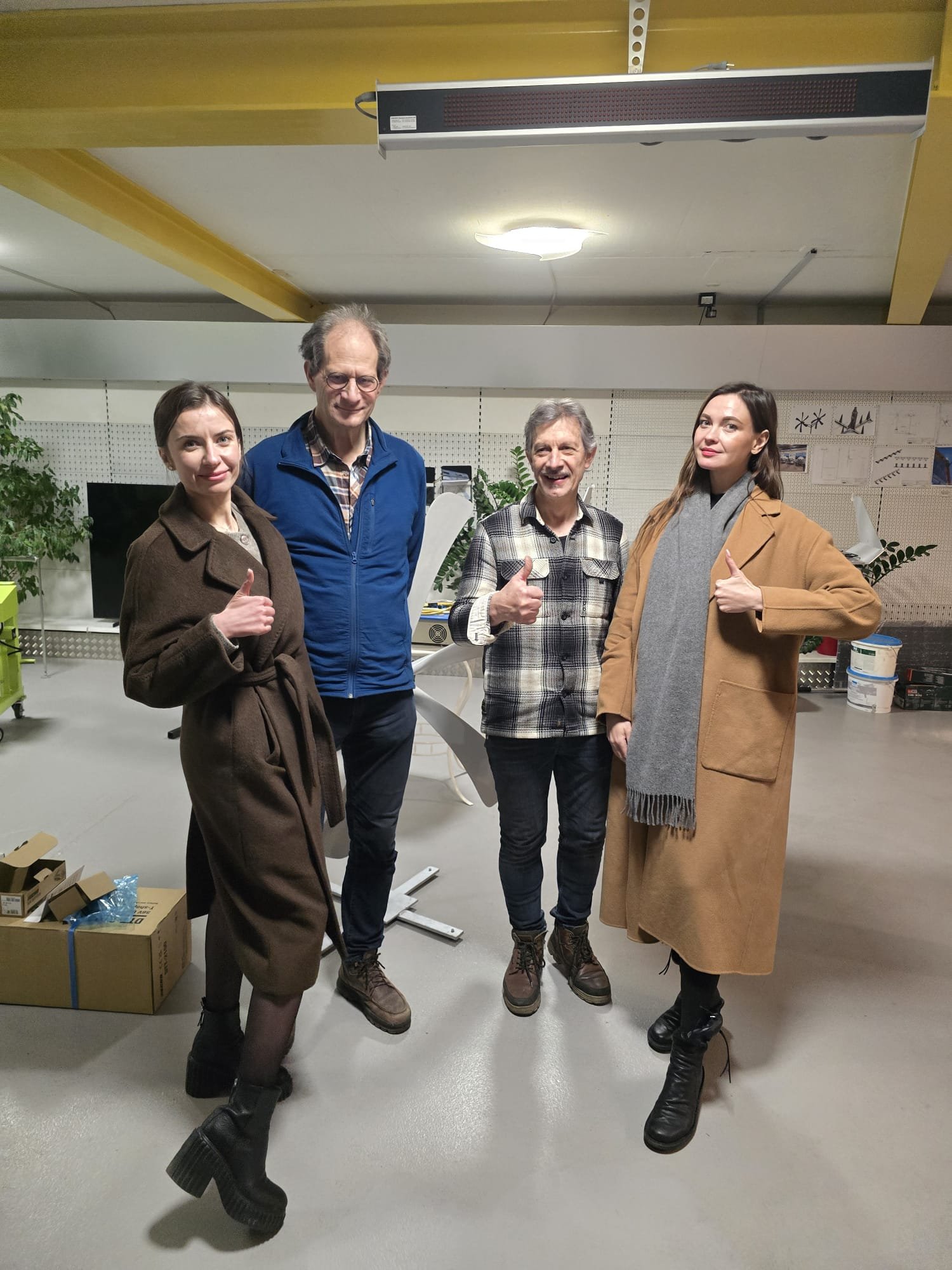
Interview conducted by: Veronika Dudak & Anastasiia Dziuba
Overview
This featured case highlights a real-life example of how green roofs and photovoltaic systems can be successfully combined in an urban residential project in Switzerland. The project demonstrates that roofs can deliver multiple environmental, technical, and economic benefits simultaneously—from renewable energy generation to biodiversity, climate adaptation, and long-term building protection.
The interview was conducted on-site at a renovated residential building in Winterthur, Switzerland, serving as a test and demonstration project for biosolar roof solutions.

About the Expert
Andreas Dreisiebner is a Swiss entrepreneur with a background in landscape gardening and over 30 years of experience in renewable energy. Since 1992, he has run his own gardening company and is a member of the Association of Gebäudebegrüner.
He has long combined practical implementation, research, and policy work. Andreas is a board member at Solarspar, responsible for research and development of combined green roof and PV solutions, and has collaborated with the Zurich University of Applied Sciences (ZHAW) on biosolar and vertical PV research projects.
At the international level, he is Vice-Chair of the Group of Experts on Renewable Energy (GERE) at the UNECE.
The Project: From Industrial Building to Sustainable Housing
The building featured in this case was originally an industrial factory, later transformed into a residential building with 25 apartments. The owners aimed to preserve the industrial character while creating a long-term sustainable and energy-efficient property.
The roof plays a central role in achieving this goal. Instead of serving a single purpose, it was designed as a multifunctional system combining:
- Green roof infrastructure
- Rainwater management and temporary water storage
- Advanced photovoltaic installations

Technical Concept and Innovation
The roof installation covers approximately 1,000 m² with an installed capacity of nearly 90 kWp. The system uses heterojunction bifacial glass PV modules, one of the most advanced technologies available at the time of installation.
Different PV configurations were tested, including:
- Vertical installations
- East–west orientations
This approach allows energy production to better match real household consumption patterns, with higher output in the morning and evening, when residents actually need electricity – rather than only at midday.
As Andreas explains in the interview, the goal is not just to produce kilowatt-hours, but to produce energy at the right time, aligned with demand and market prices.
Environmental Impact and Learning by Doing
Beyond energy production, the green roof was designed to:
- Improve urban microclimate
- Reduce the urban heat island effect
- Support biodiversity
- Extend the lifespan of the roof structure through natural cooling
Rainwater is partially stored on the roof to support vegetation during dry periods, although the system continues to evolve. As noted during the interview, changing weather patterns- especially wetter summers – require continuous adaptation.
“This is always learning by doing,” Andreas emphasizes, underlining the importance of real-life testing rather than purely theoretical solutions.
A System Approach to Sustainability
A key takeaway from this case is that there is no single universal solution for renewable energy or sustainable construction. Each roof, building, and location requires a customized system, taking into account climate, regulations, usage patterns, and long-term sustainability goals. The Winterthur project demonstrates how integrated biosolar solutions can turn underused roof space into a strategic asset – for residents, cities, and the energy transition as a whole.
Why This Matters for Business and Law
For Lighthouse Legal, this case illustrates the growing relevance of integrated sustainability projects, which combine:
- Technical innovation
- Regulatory compliance
- Long-term investment thinking
As renewable energy solutions become more complex and interconnected, legal and strategic advisory services play a crucial role in enabling such projects to scale safely and effectively across jurisdictions.
